
Egypt, a country located in northeastern Africa, is known for its diverse landscapes, ancient history, and fascinating culture. When it comes to weather, Egypt experiences a unique climate that varies across different regions. In this compass, we will explore the weather patterns and seasons in Egypt, shedding light on the country's climatic diversity.
Egypt is predominantly characterized by a desert climate, with hot and dry conditions prevailing throughout most of the year. The country is influenced by two major factors—the Mediterranean Sea to the north and the vast Sahara Desert to the west and south.
The coastal regions of Egypt, particularly along the Mediterranean Sea, enjoy a Mediterranean climate. Summers in these areas are typically hot and dry, with temperatures ranging from 30 to 35 degrees Celsius (86 to 95 degrees Fahrenheit). Winters are mild and relatively wet, with temperatures averaging around 15 to 20 degrees Celsius (59 to 68 degrees Fahrenheit). The coastal areas experience occasional rainfall during the winter months, which helps to maintain a more moderate and comfortable climate.
Moving inland, the weather becomes progressively hotter and drier. The Nile Valley and Delta regions, which are home to major cities like Cairo and Luxor, experience a hot desert climate. Summers in these areas can be scorching, with daytime temperatures often exceeding 40 degrees Celsius (104 degrees Fahrenheit). However, the evenings tend to be cooler, providing some relief from the intense heat. Winters are mild and sunny, with temperatures hovering around 20 to 25 degrees Celsius (68 to 77 degrees Fahrenheit) during the day and dropping to around 10 degrees Celsius (50 degrees Fahrenheit) at night.
As you venture further south into Upper Egypt, the climate becomes even more arid. Cities like Aswan and Abu Simbel experience extremely hot summers, with temperatures reaching as high as 50 degrees Celsius (122 degrees Fahrenheit). Winters remain warm during the day, with temperatures ranging from 25 to 30 degrees Celsius (77 to 86 degrees Fahrenheit), but can be chilly at night, dropping to around 5 to 10 degrees Celsius (41 to 50 degrees Fahrenheit).
One of the most notable weather phenomena in Egypt is the Khamsin, a hot, dry, and dusty wind that blows from the desert during the spring season. The Khamsin winds typically occur between March and May and can last for several days. These winds can be quite intense, causing sandstorms and reducing visibility. The Khamsin winds also bring a significant increase in temperature, making the already hot weather even more unbearable during this period.
In terms of rainfall, Egypt is generally a dry country. Most of the country sees little to no rainfall throughout the year. The coastal regions receive slightly more precipitation, especially during the winter months when sporadic rain showers occur. However, the interior regions, including the Nile Valley and the desert areas, are extremely arid, with negligible rainfall.
The best time to visit Egypt largely depends on the activities you plan to engage in. For sightseeing and exploring historical sites, the winter months from November to February are generally considered the most pleasant. The weather is milder, and the temperatures are more comfortable for outdoor activities. However, popular tourist destinations can be crowded during this time.
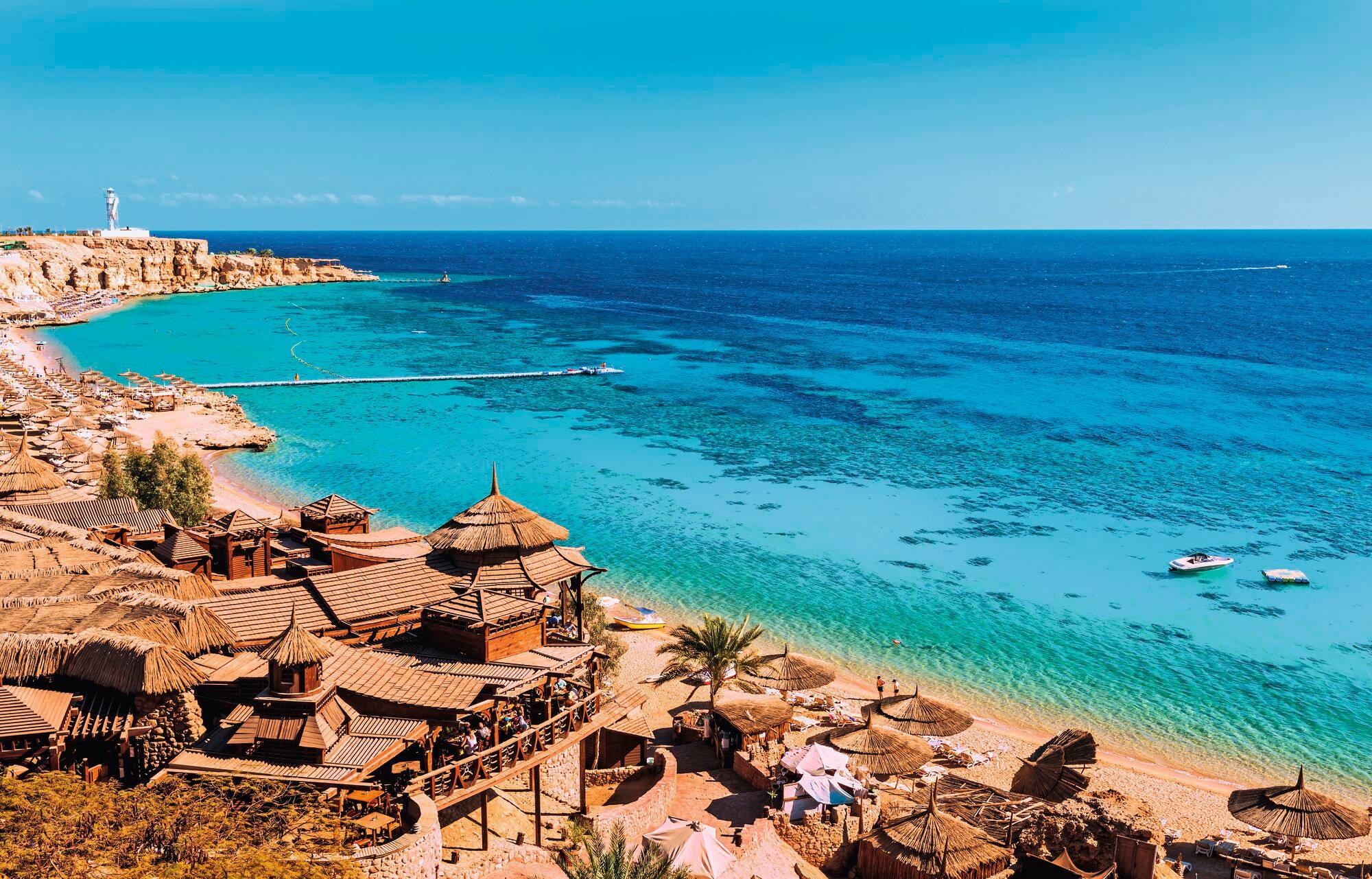
If you are looking to enjoy beach activities and water sports along the Red Sea coast, the summer months from June to August are ideal. Although the temperatures can be scorching, the cool sea breeze provides some relief, and the crystal-clear waters offer a refreshing escape.
In conclusion, Egypt experiences a diverse range of weather patterns due to its unique geographical location. From the Mediterranean climate along the coast to the hot desert climate in the interior, the country offers a wide range of climatic conditions. Whether you're exploring ancient ruins, cruising along the Nile, or relaxing on the pristine beaches, understanding Egypt's weather patterns will help you plan your visit accordingly and make the most of your experience in this captivating country.