
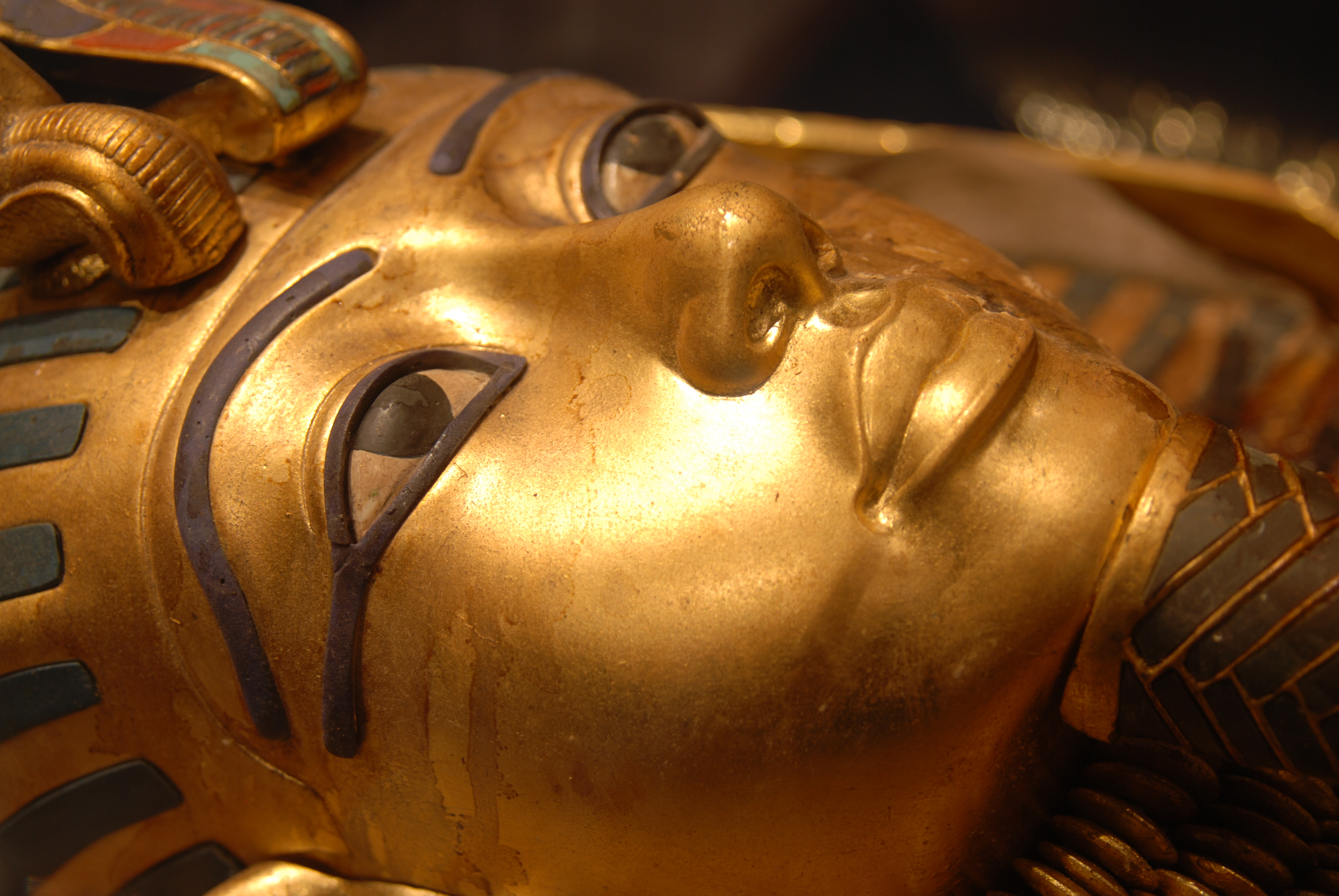
Discovering the Secrets of Ancient Egyptian Embalming and Burial Practices
The ancient Egyptian art of mummification has long been a source of fascination, captivating the public's imagination with the preserved remains of the pharaohs and the mysterious rituals that ensured their eternal rest. Through modern scientific analysis and archaeological excavations, we are now able to unveil the secrets behind this intricate and complex process, providing us with a deeper understanding of the beliefs and practices that shaped the funerary traditions of the Nile Valley.
The Egyptian mummification process was not merely a matter of preserving the physical body; it was a meticulously planned ritual that was believed to ensure the deceased's successful transition to the afterlife. The process began with the removal of the internal organs, which were preserved separately and placed in canopic jars. The body was then dehydrated using a combination of salts and natron, a naturally occurring mineral. Once the body had been stripped of its moisture, it was wrapped in layers of linen, often adorned with amulets and talismans to protect the deceased.
The mummification process was not limited to the pharaohs and the elite; even the common people were given a degree of mummification, though the level of care and attention varied based on social status and wealth. Regardless of the individual's standing, the belief in the importance of preserving the physical body for the afterlife was universal within ancient Egyptian culture.
Recent scientific analyses of mummified remains have provided invaluable insights into the nuances of the embalming techniques and the regional variations in practices. Advances in medical imaging, such as CT scans and DNA analysis, have allowed researchers to study the mummies in unprecedented detail, revealing information about the individual's health, age, and even potential cause of death.
Furthermore, the discovery of new mummies, such as the "Screaming Mummy" found in the Valley of the Kings, continues to captivate the public and fuel new theories about the rituals and beliefs surrounding death and the afterlife in ancient Egypt. These exciting findings not only deepen our understanding of the past but also inspire us to delve deeper into the rich and complex tapestry of ancient Egyptian civilization.
As we continue to unveil the secrets of the mummies, we are granted a rare and intimate glimpse into the lives and beliefs of the people who once roamed the banks of the Nile. Through this exploration, we not only satisfy our curiosity about the past but also find ourselves inspired to preserve and honor the legacy of these remarkable people who so reverently prepared their dead for the journey to the afterlife.