
A Timeless Masterpiece
In the annals of ancient Egyptian history, few artifacts have captured the world's imagination like the breathtaking golden mask of Tutankhamun. Discovered in 1922 by the renowned archaeologist Howard Carter, this exquisite funerary object has become an enduring symbol of the allure and mystery that surrounds the young pharaoh's reign.
Tutankhamun, or "King Tut" as he is more commonly known, ascended to the throne of Egypt around 1334 BCE, at the tender age of nine or ten. Despite the brevity of his rule, which lasted only about a decade, his legacy has endured through the centuries, largely due to the incredible archaeological treasures that were uncovered within his tomb.
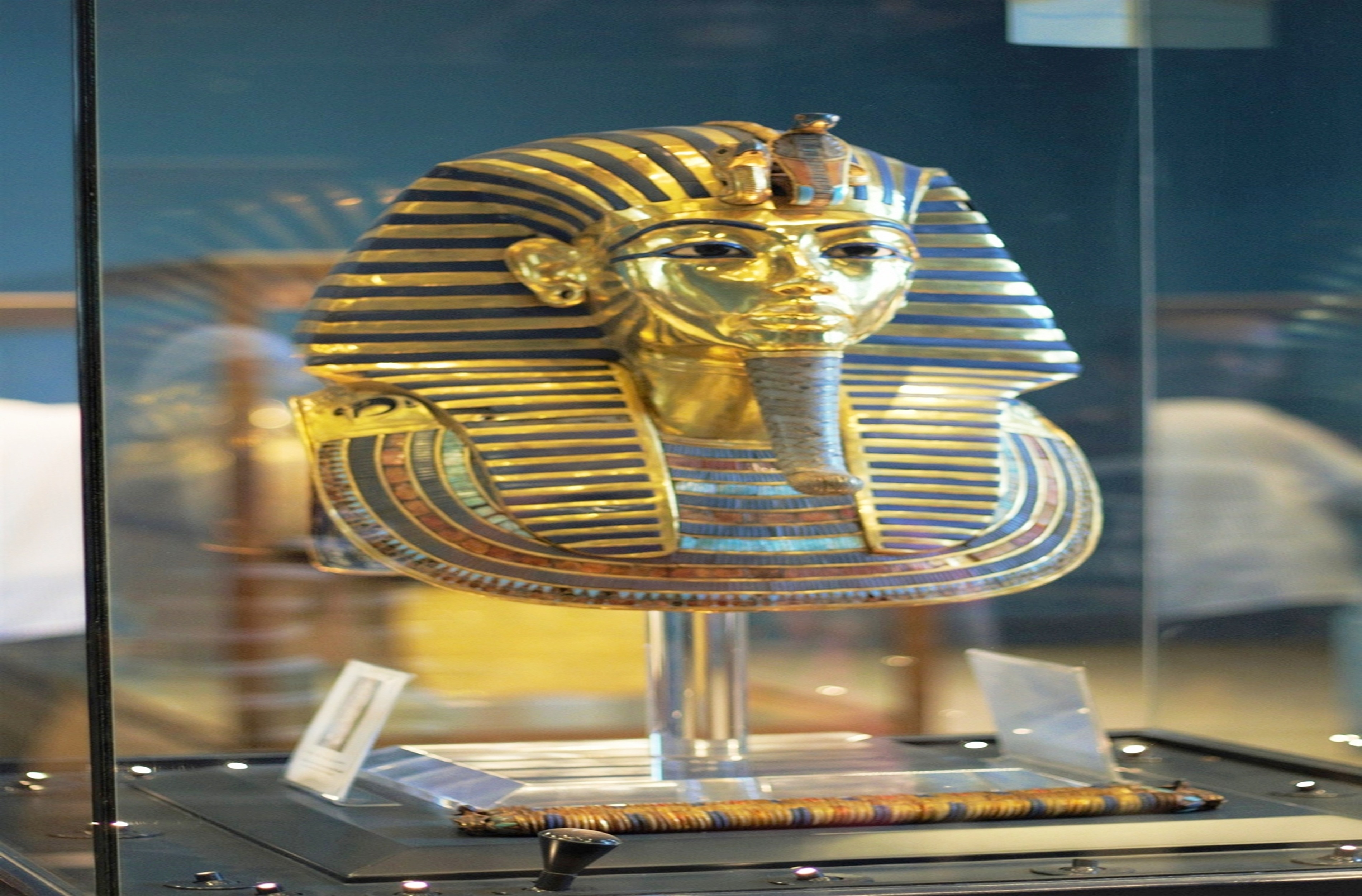
The mask, which adorned the young king's mummified remains, is undoubtedly the crown jewel of these findings. Crafted from solid gold and inlaid with a dazzling array of precious stones, the mask's intricate design and flawless craftsmanship is a testament to the unparalleled artistry of ancient Egyptian artisans.
The mask's stunning features are a remarkable blend of regal grandeur and serene divinity. The youthful, idealized face of the pharaoh is rendered with striking realism, from the full, sensual lips to the almond-shaped eyes that gaze out with a mesmerizing intensity. Atop the head, the distinct double crown, known as the pschent, symbolizes Tutankhamun's sovereignty over both Upper and Lower Egypt.
But the mask's true brilliance lies in the subtle details that imbue it with a sense of the sacred. The delicate inlays of lapis lazuli, turquoise, and obsidian create a dazzling array of colors that evoke the divine nature of the pharaoh. The broad, sculpted collar, adorned with intricate patterns and religious symbols, further reinforces the mask's role as a conduit between the mortal and the divine.
Perhaps the most striking feature of the mask, however, is the serene and enigmatic expression that graces Tutankhamun's countenance. This captivating visage has been the subject of intense scholarly debate, with some interpreting it as a reflection of the young king's untimely death, while others see it as a representation of the eternal, godlike nature of the pharaonic office.
Whatever the deeper meaning, there is no denying the sheer power and beauty of this remarkable artifact. The mask's enduring legacy is a testament to the enduring allure of ancient Egyptian art and culture, which have continued to captivate and inspire people around the world.
Yet the mask of Tutankhamun is more than just a stunning work of art – it is also a window into the complex and fascinating world of ancient Egyptian beliefs and practices. The intricate symbolism and religious iconography that adorn the mask provide valuable insights into the elaborate funerary rituals and beliefs that were central to the pharaonic tradition.
For example, the presence of the protective goddesses Nekhbet and Wadjet, depicted as vulture and cobra respectively, symbolize the divine protection that the king would have received in the afterlife. Similarly, the inclusion of the sun god Ra and other deities reflect the deep-seated belief in the pharaoh's divine right to rule and his role as a conduit between the earthly and divine realms.
The mask's enduring legacy has also had a significant impact on our understanding of ancient Egyptian history and culture. The discovery of Tutankhamun's tomb, and the wealth of artifacts it contained, has shed new light on the political and social dynamics of the late 18th Dynasty, a period that had long been shrouded in mystery.
Furthermore, the mask's global popularity has played a crucial role in promoting awareness and appreciation of ancient Egyptian heritage. As one of the most recognizable symbols of this ancient civilization, the mask has become a powerful tool for educating people about the richness and complexity of Egyptian culture, inspiring countless visitors to museums and exhibitions around the world.
In conclusion, the mask of Tutankhamun is a true masterpiece of ancient Egyptian art, a testament to the unparalleled skill and artistry of the pharaonic period. Its stunning beauty, intricate symbolism, and enduring legacy have captivated and inspired people for generations and will continue to do so for generations to come. As we gaze upon this timeless treasure, we are reminded of the enduring power of ancient Egyptian civilization, and the enduring human quest for meaning, beauty, and connection with the divine.